 0
0
 0
0
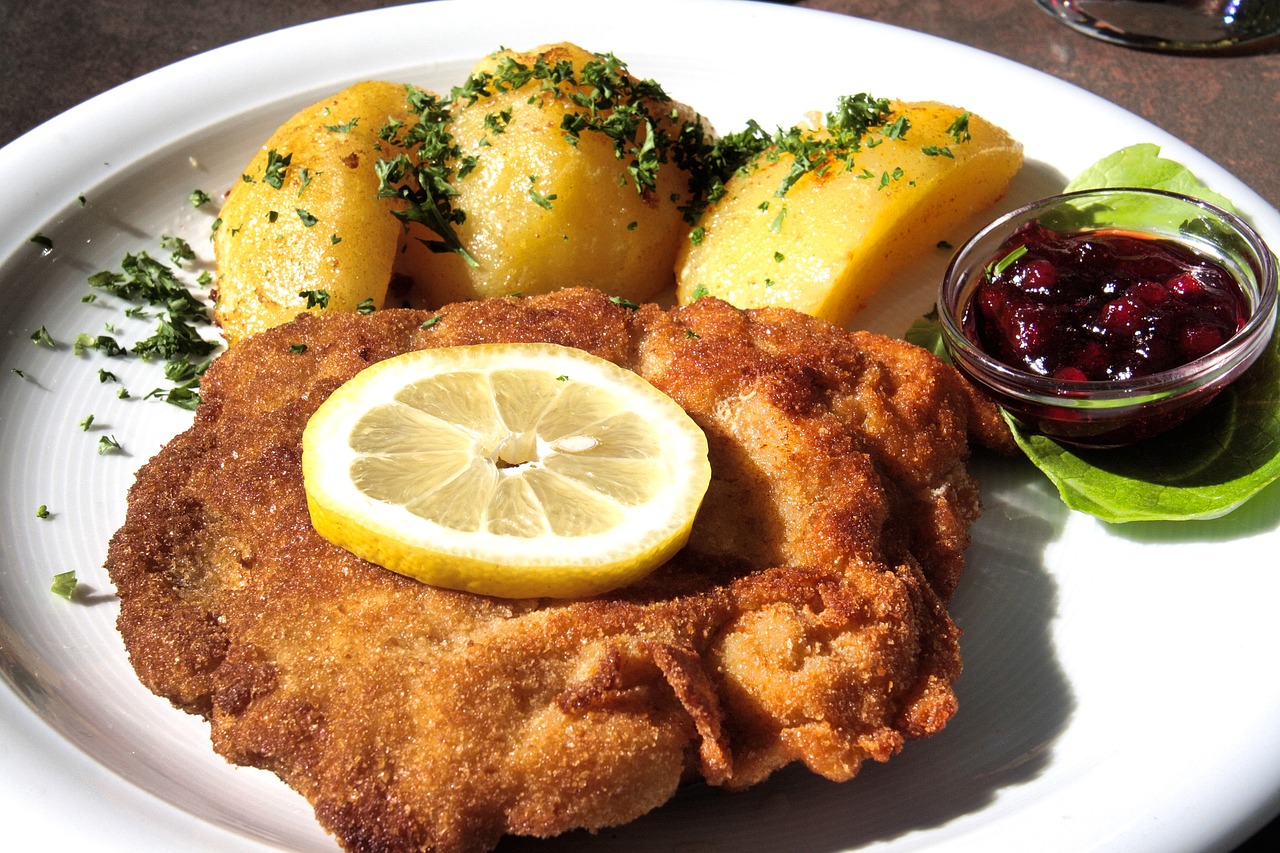
Few dishes are as closely associated with Austrian cuisine as Wiener Schnitzel. Golden, crisp and delicately tender, the breaded veal cutlet seems almost perfect on its own. Yet there is one finishing touch that is far more than decoration: a wedge of lemon.
Squeezing lemon over Wiener Schnitzel is a tradition rooted in taste, balance and culinary history. The bright acidity of the citrus cuts through the richness of the fried coating and makes every bite taste lighter and more refreshing.
A small squeeze with a big effect
The secret lies in contrast. Schnitzel is fried in fat, which gives the breading its characteristic golden color and irresistible crunch. That richness, however, can quickly become overwhelming. Lemon provides exactly the opposite sensation: sharp, fresh and acidic.
When the juice hits the hot, crispy crust, it adds a lively note that wakes up the palate. The result is a more balanced dish in which the flavors of the meat, breading and frying fat remain distinct rather than blending into one heavy impression.
It’s about balance, not decoration
A lemon wedge on the plate may look like a simple garnish, but in classic European cuisine, acidic ingredients often play an important structural role. Just as vinegar can balance a rich sauce or pickles can complement a fatty dish, lemon helps bring harmony to Schnitzel.
There is also a sensory effect. The aroma of freshly squeezed lemon reaches the nose immediately, while its acidity stimulates the palate. This makes the Schnitzel seem less rich without changing its essential character.
Why not other toppings?
Traditional Wiener Schnitzel is intentionally restrained. The dish is not normally covered with a heavy sauce, because that would soften the crisp breading and mask the delicate flavor of the veal.
Lemon, by contrast, enhances rather than overwhelms. It adds flavor without turning the Schnitzel into something else.
That is why the classic combination works so well: crisp crust, tender meat, a little salt and a bright splash of citrus.
A tradition that has survived for good reason
Whether the custom developed from practical culinary habits or simply from generations of cooks discovering that the flavors worked beautifully together, lemon has become inseparable from the classic presentation of Wiener Schnitzel.
And perhaps that is the best explanation of all. Culinary traditions survive when they make food taste better.
So the next time a golden Wiener Schnitzel arrives at the table with a lemon wedge on the side, don’t dismiss it as decoration. Squeeze it generously over the crust—and you’ll understand why this small citrus accent has earned its place beside one of Austria’s most famous dishes.
- Hector Pascua/picture: pixabay.com



This post has already been read 10290 times!